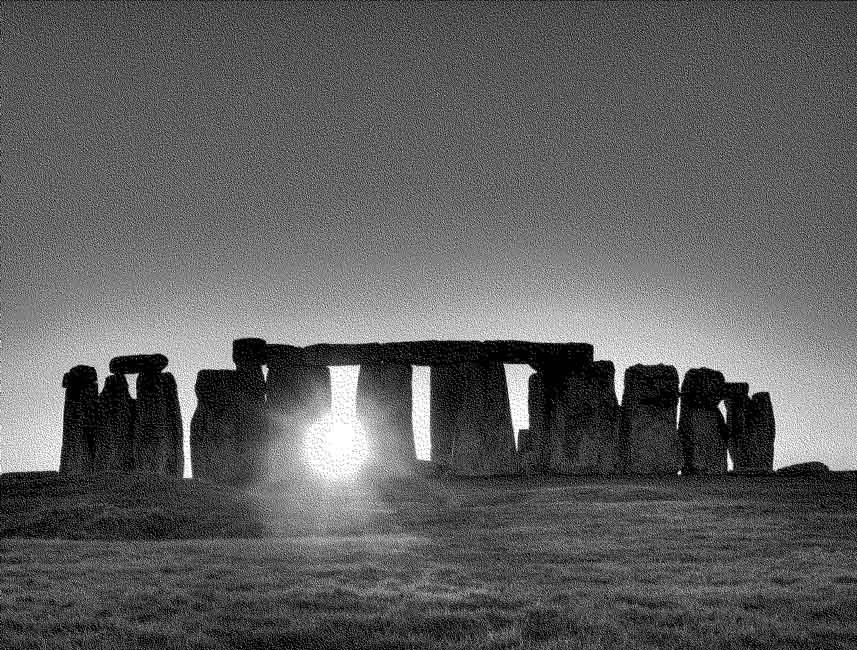
It is no coincidence that Christmas celebrations in the Northern Hemisphere take place close to December 21. Long before Christianization, winter solstice celebrations were practiced in various pagan and pre-Christian cultures.
This date marks an important astronomical event: December 21 is the shortest day of the year in the Northern Hemisphere. This astronomical phenomenon has climatic consequences in our latitudes: it corresponds to a minimum amount of sunlight and heralds the coldest months of the year.
These phenomena were already observed in prehistoric times, and humans understood the importance of the seasons on the cycles of life. From this date onwards, the days begin to get longer, heralding the imminent arrival of spring, which is so important for agriculture.
In Persia, certain celebrations linked to the cult of Mithra took place around the winter solstice. The date of December 25 was chosen in the 4th century by Christians to correspond to the ancient Roman festivals of Saturnalia, but also to replace the pagan solstice festivals.
We often forget it, but Christmas was originally a festival linked to the sun's journey.
Image: Sunrise at Stonehenge on December 27 by simonwakefield (Wikimedia)
Sources: G. and J.-M. Alexandroff